
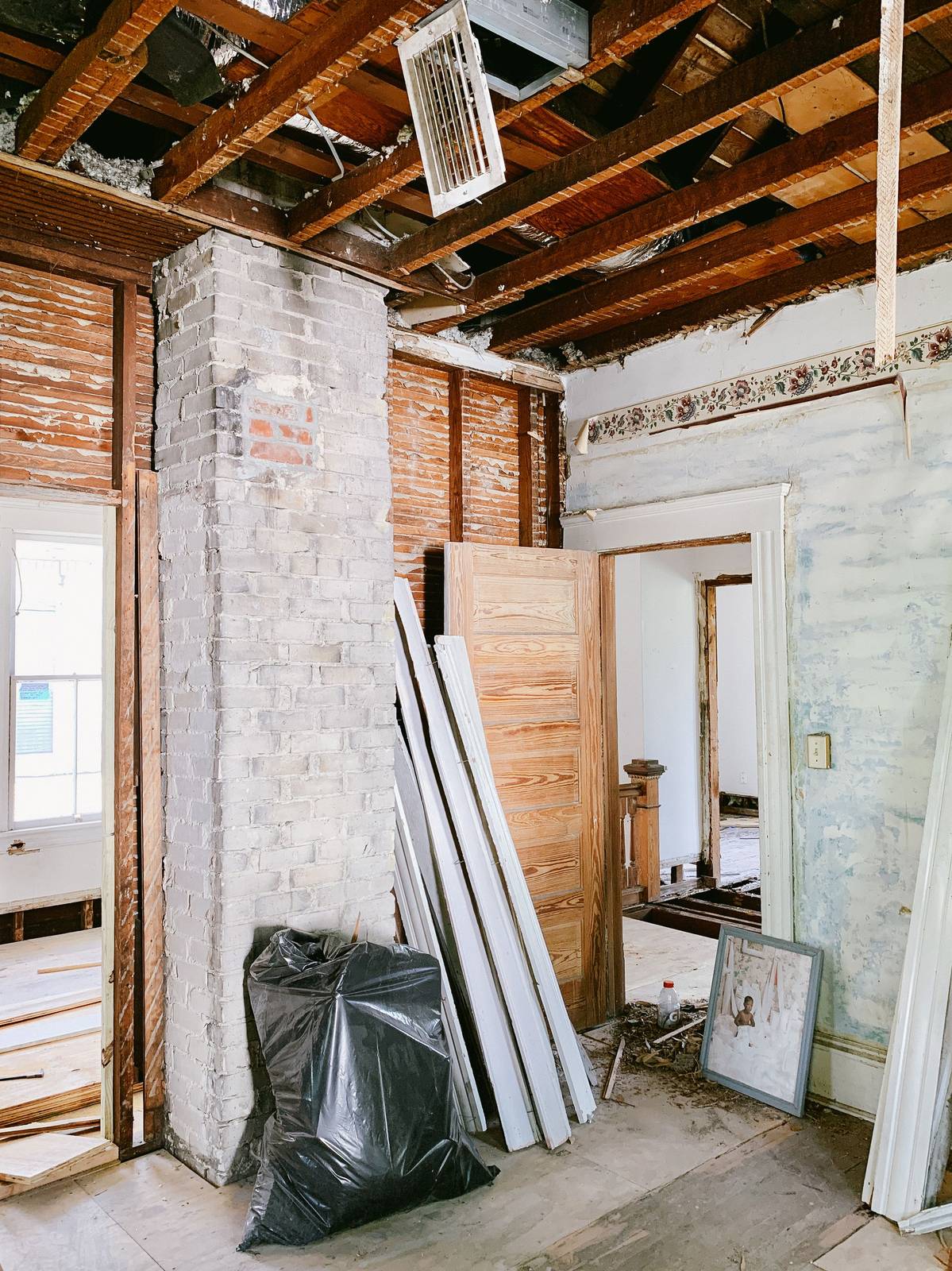
You found a house or two-flat in Chicago at a price that seems almost too good. Then someone mentions that the property has "open violations" with the city. Is that a deal breaker? Not necessarily. Plenty of buyers purchase properties with code violations, especially older buildings, and do just fine. But you need to go in with your eyes open, because in many cases those violations do not disappear when the property changes hands.
What counts as a code violation?
The City of Chicago issues building code violations when an inspector finds a problem with a property. Common examples include:
- Missing or broken smoke and carbon monoxide detectors
- Porch and stair problems, which are especially common on older Chicago buildings
- Work done without permits, such as a finished basement or an added unit
- Electrical, plumbing, or heating issues
- Roof, masonry, and window deterioration
Some violations are minor and inexpensive to fix. Others, like an illegal basement unit or a structurally unsafe porch, can cost tens of thousands of dollars and may lead to an order to vacate part of the building.
Why violations can become your problem
Code enforcement generally focuses on the property and its current owner. If the city has a pending case in administrative hearings or in housing court when you buy, you may inherit the obligation to fix the conditions. Fines can continue to add up while problems go unrepaired, and some unpaid city debts can affect a property's transfer or become liens. In some situations, Chicago also requires specific disclosures when a property with pending code enforcement litigation is sold.
How to check before you buy
- Search city records. The City of Chicago publishes building violation and permit data online. Look up the address and review both open and past violations and any permits on file.
- Check for court cases. Ask whether the property is the subject of a case in the city's Department of Administrative Hearings or in the Circuit Court of Cook County.
- Get a thorough inspection. A qualified inspector can spot many problems the city has not cited yet. For multi-unit buildings, confirm the legal number of units matches how the building is actually being used.
- Ask the seller directly and in writing. Request copies of any violation notices, court orders, and permits.
Protecting yourself in the contract
Most Chicago-area residential contracts include an attorney review period, generally a few business days after acceptance, when your lawyer can propose changes. That is the time to address violations. Depending on the situation, options may include:
- Requiring the seller to repair specific violations and close out the case before closing
- A price reduction or closing credit to cover repair costs
- An escrow holdback, where part of the seller's proceeds is held until repairs are done
- A right to cancel if the violations turn out to be more serious than disclosed
If you are financing the purchase, check with your lender early. Some lenders and loan programs have property condition requirements that can be affected by open violations.
After you close
If you take the property with open violations, act quickly. Pull any needed permits, hire licensed contractors, keep records and photos of all repairs, and show up to every hearing. Judges and hearing officers are generally more receptive to owners who can show steady progress. Ignoring a case almost always makes it more expensive.
Learn more on our Building Code Violations page, and see how we handle purchases on our Real Estate Closings page.
Have the deal reviewed before you commit
A property with violations can still be a good investment, as long as you understand what you are taking on and the contract protects you. This article is general information, not legal advice. Contact us for a free case review, ideally before your attorney review period ends, and we can help you look at the property's history and your options.
This article is general information, not legal advice. Laws change and every case is different. Prior results do not guarantee a similar outcome.